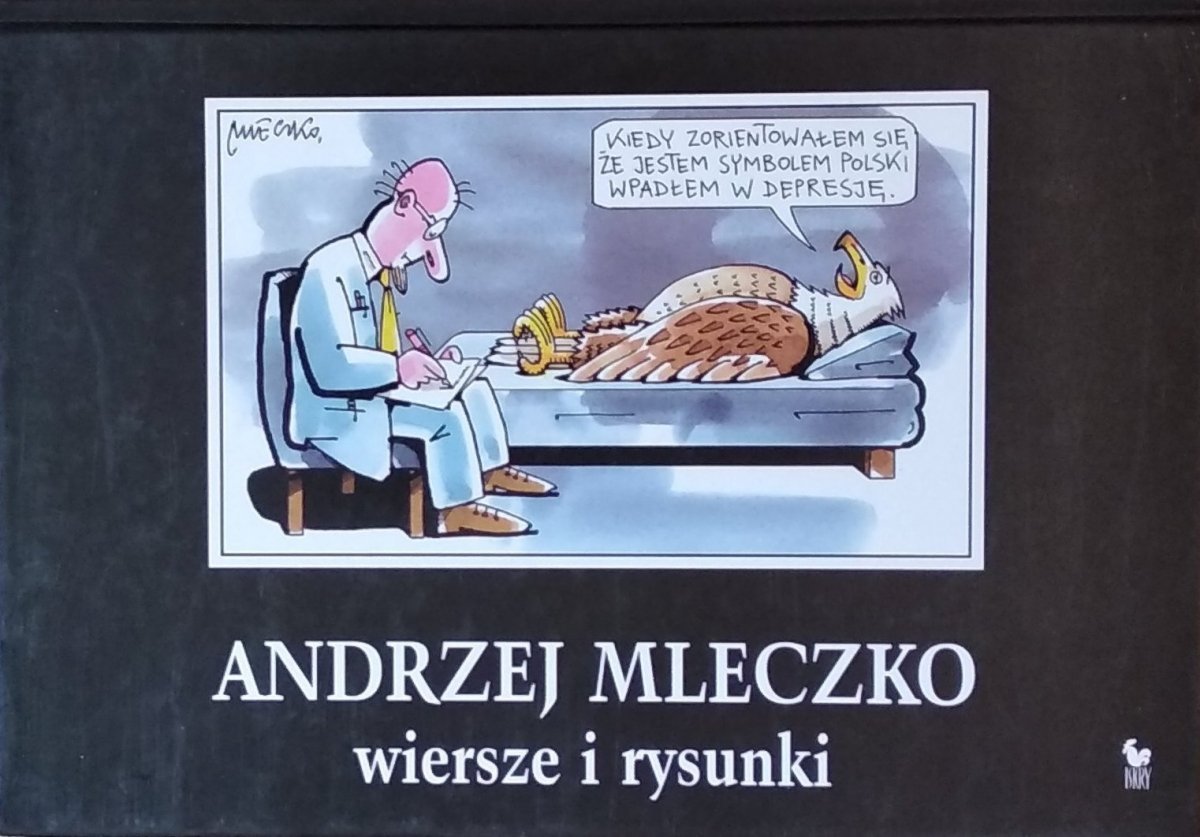
Andrzej Mleczko Rysunki Dla Dorosłych

Andrzej Mleczko, a name synonymous with witty, insightful, and often provocative Polish satire, is a figure whose work can be both a challenge and an opportunity in the classroom. His series, Rysunki Dla Dorosłych (Drawings for Adults), while ostensibly simple in its artistic style, delves into complex social, political, and cultural commentaries. Approaching Mleczko's work requires a nuanced understanding of Polish history, social norms, and a healthy dose of irony. This article provides educators with guidance on introducing Mleczko to students, addressing potential misconceptions, and engaging them with his unique brand of humor.
Understanding Andrzej Mleczko and Rysunki Dla Dorosłych
Andrzej Mleczko, born in 1949, began his career in the vibrant Polish artistic scene of the late 20th century. His cartoons, characterized by minimalist lines and sharp wit, quickly gained popularity for their ability to capture the zeitgeist of Polish society, often commenting on the absurdities of daily life under communism and the subsequent transition to democracy. Rysunki Dla Dorosłych, as a collection, represents a significant body of his work, tackling themes ranging from politics and religion to relationships and human nature.
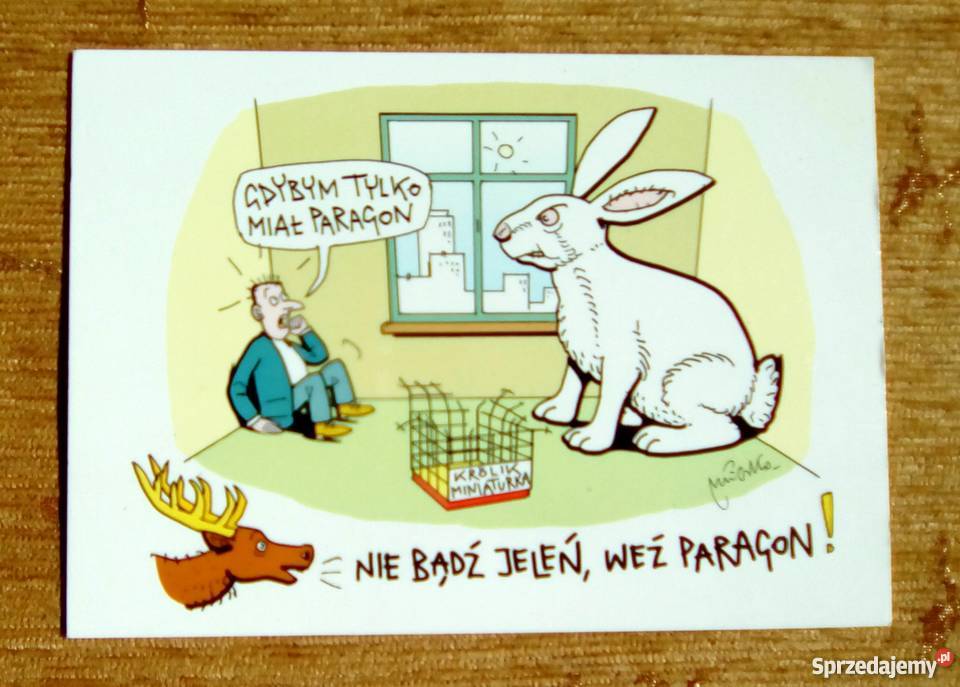
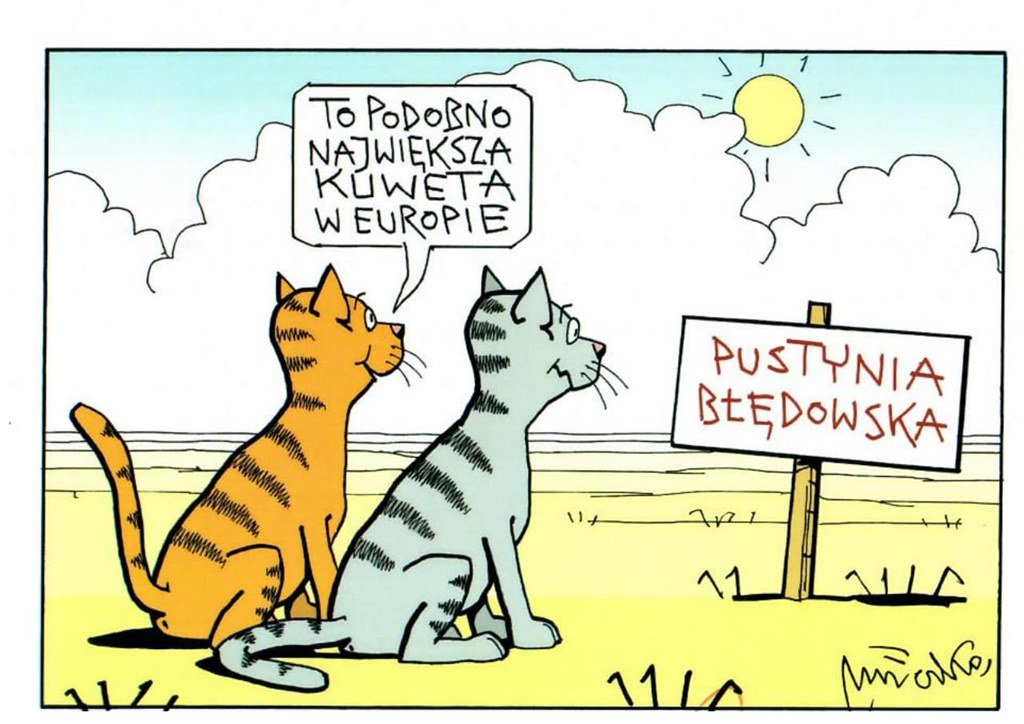
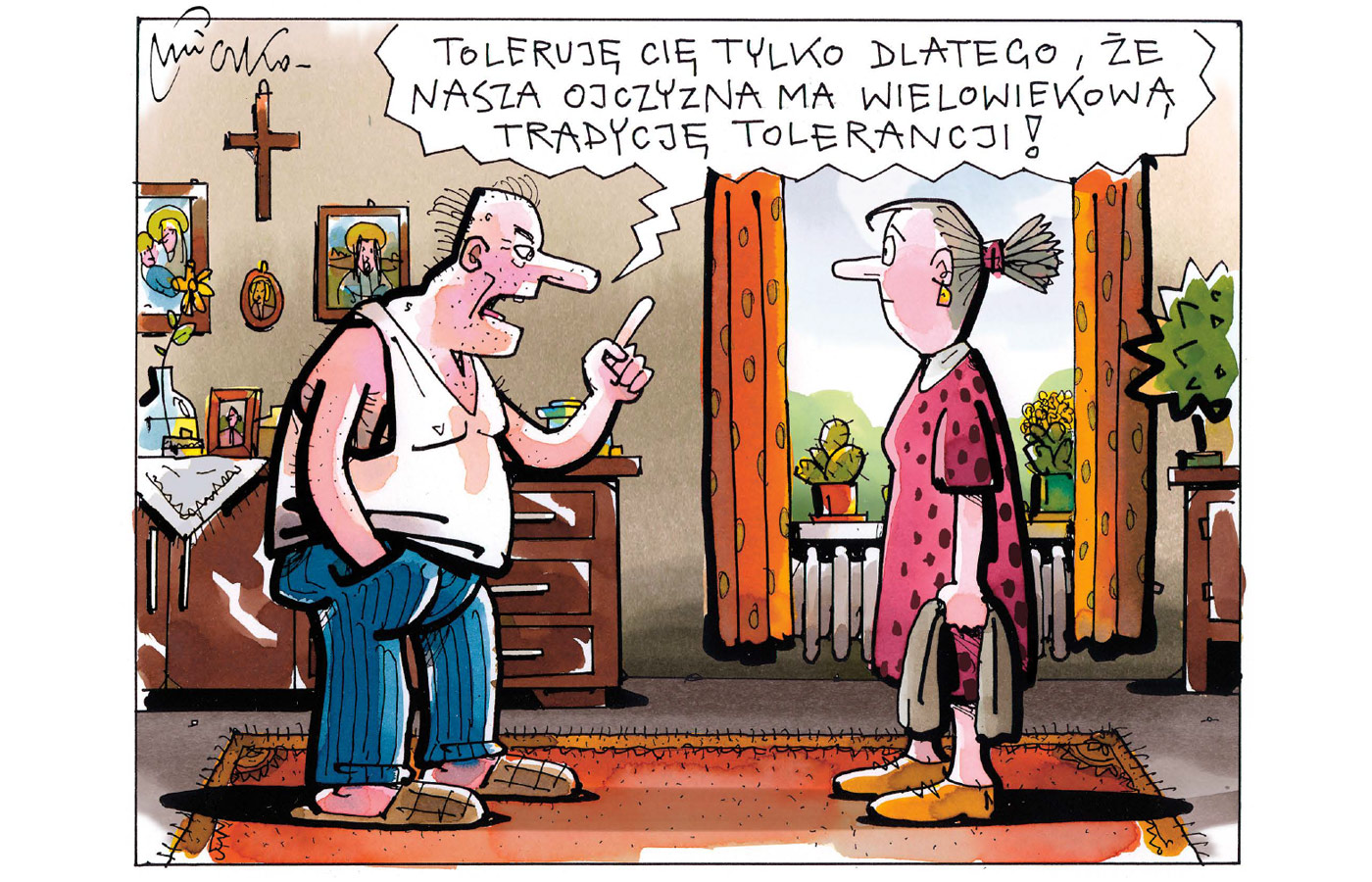
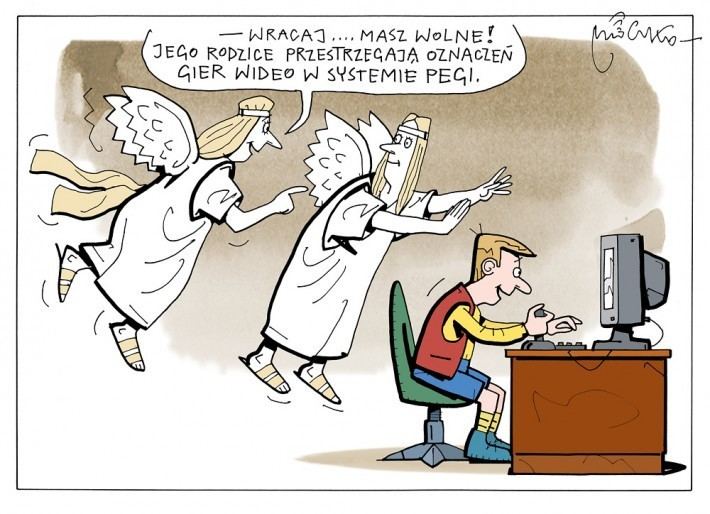
Mleczko's style is deliberately simple. He employs a straightforward drawing technique, relying heavily on concise captions and visual irony to convey his message. This simplicity can be deceptive; the humor often lies in the juxtaposition of the mundane and the profound, requiring the viewer to actively engage with the artwork to fully appreciate its meaning. His cartoons are not always explicitly political, but they often reflect underlying anxieties and societal trends.
Key Themes and Recurring Motifs
Several recurring themes and motifs appear throughout Mleczko's work, providing a framework for understanding his broader commentary:
- Political Satire: Mleczko frequently lampoons political figures and ideologies, both past and present. He critiques power structures, bureaucratic inefficiencies, and the often-absurd nature of political discourse.
- Social Commentary: He observes and satirizes social norms, behaviors, and trends, often highlighting hypocrisy and the disconnect between ideals and reality. This includes observations about consumerism, gender roles, and interpersonal relationships.
- Religious Critique: Mleczko sometimes uses religious imagery and symbolism to comment on the role of the Church in Polish society and the potential for hypocrisy and dogma.
- Existential Angst: Beneath the humor, there is often a thread of existential angst, reflecting on the human condition, the search for meaning, and the absurdity of life.
- Everyday Life: Mleczko draws inspiration from the everyday experiences of ordinary people, finding humor in the mundane and highlighting the ironies of daily life.
Teaching Mleczko in the Classroom: A Practical Guide
Introducing Mleczko's work to students can be a rewarding experience, fostering critical thinking, cultural awareness, and an appreciation for the power of satire. Here are some practical tips for educators:
- Contextualize the Work: Before diving into specific cartoons, provide students with background information on Polish history and culture. Briefly discuss the communist era, the Solidarity movement, and the subsequent transition to democracy. This context is crucial for understanding the nuances of Mleczko's commentary.
- Start with Accessible Examples: Begin with cartoons that are relatively straightforward in their humor and less reliant on specific cultural references. This will help students grasp Mleczko's style and approach.
- Encourage Active Interpretation: Instead of simply explaining the meaning of each cartoon, encourage students to actively interpret the artwork themselves. Ask them questions like: What do you see in this image? What message is Mleczko trying to convey? How does this cartoon make you feel?
- Facilitate Discussion: Create a safe and respectful environment for students to share their interpretations and engage in discussions. Encourage them to challenge each other's ideas and to consider different perspectives.
- Connect to Contemporary Issues: Relate Mleczko's themes and observations to contemporary issues that students can relate to, such as political polarization, social media culture, or environmental concerns.
- Use Visual Aids: Project the cartoons on a screen or provide students with printouts so they can examine them closely. Encourage them to pay attention to the details of the artwork, including the expressions of the characters, the composition of the image, and the text of the captions.
- Explore Different Media: Mleczko's work extends beyond cartoons. You can also explore his illustrations, posters, and even animated shorts to provide students with a broader understanding of his artistic range.
Addressing Common Misconceptions
Several misconceptions can arise when students encounter Mleczko's work for the first time:
- Misunderstanding of Irony: Mleczko's humor is often ironic, relying on the contrast between what is said and what is meant. Students may need help recognizing and understanding this irony. Explain the concept of irony and provide examples of its use in other contexts.
- Literal Interpretation: Students may interpret the cartoons literally, missing the underlying message or social commentary. Encourage them to think critically about the image and the caption, and to consider the broader context in which the cartoon was created.
- Overly Simplistic View: The minimalist style of Mleczko's drawings can lead some students to dismiss his work as simplistic or unimportant. Emphasize the power of simplicity in conveying complex ideas and the importance of visual communication.
- Cultural Barriers: Some of Mleczko's cartoons may contain cultural references that are unfamiliar to students. Provide context and explanations for these references to ensure that students can fully understand the artwork.
Making Mleczko Engaging: Creative Activities
To enhance student engagement, consider incorporating these creative activities into your lessons:
- Cartoon Analysis: Assign students a specific Mleczko cartoon to analyze in detail. They can write a short essay or give a presentation explaining the cartoon's message, its use of humor, and its relevance to contemporary society.
- Caption Writing: Provide students with a blank Mleczko cartoon (without the caption) and ask them to write their own caption. This activity encourages them to think creatively and to understand the power of language in conveying meaning.
- Cartoon Creation: Challenge students to create their own satirical cartoons on topics that are relevant to their lives. This activity allows them to express their own perspectives and to develop their skills in visual communication.
- Debate: Organize a debate around a controversial topic addressed in Mleczko's work. This activity encourages critical thinking, argumentation, and the ability to consider different perspectives.
- Comparative Analysis: Compare Mleczko's work to that of other political cartoonists or satirists from different cultures. This activity helps students understand the universality of satire and the different ways in which it can be used to comment on society.
By providing students with the necessary context, encouraging active interpretation, and incorporating engaging activities, educators can effectively introduce the work of Andrzej Mleczko and Rysunki Dla Dorosłych into the classroom. This will not only enhance their understanding of Polish culture and history but also foster critical thinking skills and an appreciation for the power of satire.