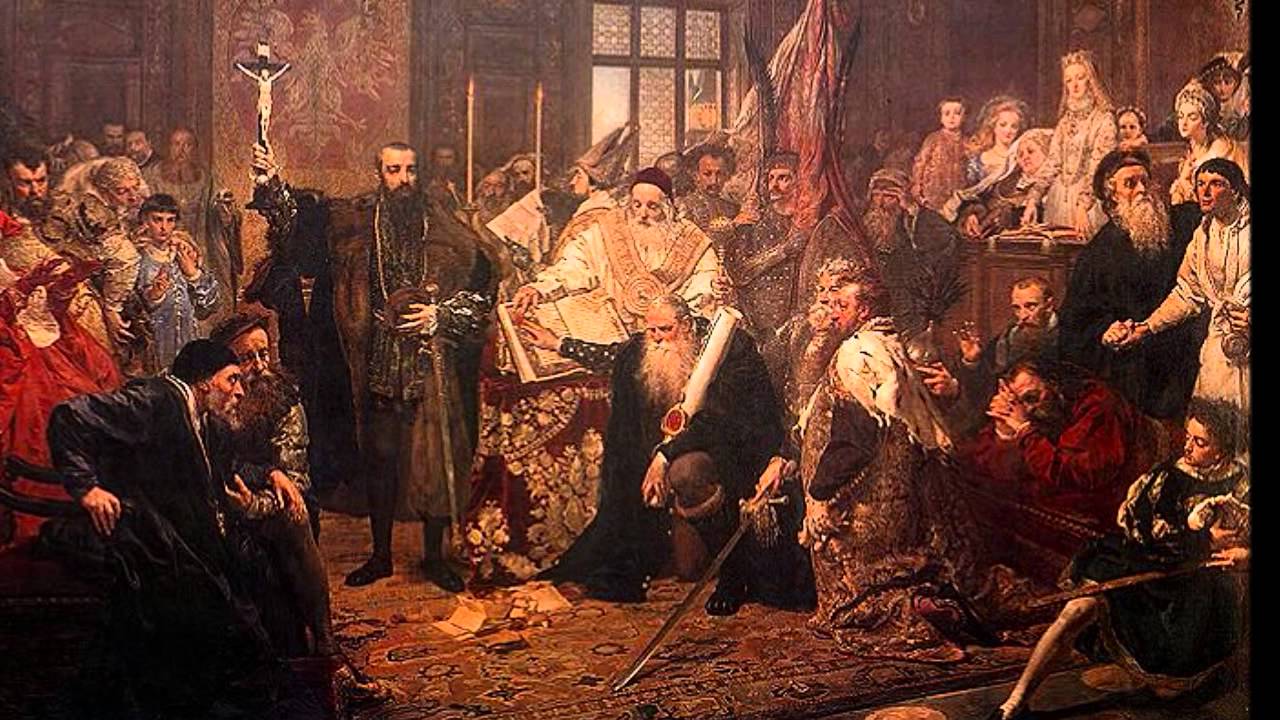
Sprawdzian Z Hisori Rensans Kontreformacje
Sprawdzian Z Hisori Rensans Kontreformacje, broadly translated, refers to a history test covering the Renaissance and Counter-Reformation periods. This assessment typically evaluates a student's understanding of the key developments, figures, and ideas that characterized these transformative eras in European history.
A crucial aspect of this test is the Renaissance. The exam will likely include questions on its origins in Italy, the rediscovery of classical art and literature, the rise of humanism and individualism, and the artistic and intellectual contributions of figures like Leonardo da Vinci, Michelangelo, and Raphael. Understanding the shift from medieval thought to a more secular and human-centered worldview is essential.
Equally important is the Counter-Reformation, also known as the Catholic Reformation. This section examines the Catholic Church's response to the Protestant Reformation. Key elements to study include the Council of Trent, the establishment of the Jesuit order, the reform of papal practices, and the Church's efforts to combat heresy and reaffirm its doctrines. The test will likely cover the strategies employed by the Catholic Church to retain its followers and regain lost ground.
The interaction and conflict between the Renaissance and the Counter-Reformation are also important. For example, a question might ask about how the humanist values of the Renaissance challenged traditional religious authority, prompting the Counter-Reformation. Another example could involve analyzing the impact of the Council of Trent on artistic expression, considering how religious art was utilized as a tool for propaganda.
A typical question might be: "Explain the main differences between the artistic styles of the Renaissance and the Baroque period that emerged partly as a result of the Counter-Reformation." Another could be: "Describe the role of the Jesuit order in the Counter-Reformation and its impact on education."
In a real-world context, understanding these historical periods helps us analyze contemporary social and political debates. The tension between secularism and religious fundamentalism, the role of art in shaping public opinion, and the dynamics of reform movements all have roots in the Renaissance and Counter-Reformation. Studying these eras provides valuable insights into the enduring forces that shape our world.