Sprawdzian Z Działu Rolnictwo I Przemysł Polski
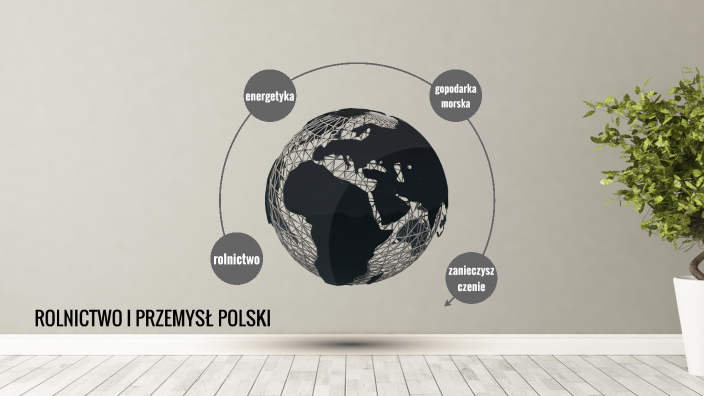
Sprawdzian Z Działu Rolnictwo I Przemysł Polski, simply put, is a test or assessment covering the topics of Polish agriculture and industry. Think of it as a way to check your knowledge on these two crucial sectors of the Polish economy.
Understanding Polish Agriculture
Polish agriculture focuses on the production of food and raw materials from the land. Key aspects you need to understand include:
- Types of crops: Poland is known for growing grains (like wheat and rye), potatoes, sugar beets, and fruits (like apples). Knowing what crops are most common and where they are grown is important. For example, the Wielkopolska region is famous for its grain production.
- Livestock farming: This includes raising animals like pigs, cattle, and poultry for meat, milk, and eggs. Regions like Podlasie have significant livestock populations.
- Agricultural regions: Poland can be divided into agricultural regions based on soil quality, climate, and the types of farming that are most profitable there. Understanding these regional differences is crucial.
- Challenges and opportunities: Polish agriculture faces challenges like climate change, access to markets, and competition from other countries. Opportunities exist in organic farming and developing new technologies.
Exploring Polish Industry
Polish industry refers to the production of goods using machinery and technology. Key areas to focus on are:
- Key industrial sectors: These include mining (coal and copper are important resources), manufacturing (automotive, food processing, furniture), and energy production. Silesia is a historically important industrial region.
- Industrial regions: Just like agriculture, industry is concentrated in certain regions. Understanding where these regions are and what they specialize in is essential. For example, the automotive industry is prominent in the Dolny Śląsk region.
- Raw materials: Knowing which raw materials are extracted in Poland and used in its industries is important. Coal, copper, and sulphur are some examples.
- Challenges and opportunities: Polish industry faces challenges like competition from global markets, the need for modernization, and environmental concerns. Opportunities lie in developing new technologies and promoting exports.
Connecting Agriculture and Industry
It's important to remember that agriculture and industry are interconnected. For example, the food processing industry relies on agricultural products as raw materials. Similarly, the agricultural sector relies on industries for machinery, fertilizers, and pesticides.
Practical Applications
Why is understanding all this important? Well, understanding Polish agriculture and industry helps you:
- Understand the Polish economy: Agriculture and industry are significant contributors to the Polish GDP.
- Analyze current events: You can better understand news reports about trade, employment, and economic development. For example, if you hear about a strike in a coal mine, you'll understand the potential impact on the energy sector.
- Make informed decisions: If you're considering a career in Poland, understanding the strengths and weaknesses of these sectors can help you make informed choices.
- Appreciate Polish culture: Food and industrial products are deeply intertwined with Polish culture and identity. Understanding their origins and production helps you appreciate Polish heritage.
So, the next time you buy Polish apples or drive a car manufactured in Poland, remember the hard work and complex processes involved in bringing those products to you. This knowledge will help you better understand and appreciate the Sprawdzian Z Działu Rolnictwo I Przemysł Polski and its relevance to everyday life.