Sprawdzian Z Biologi Układ Pokarmowy Kl 7
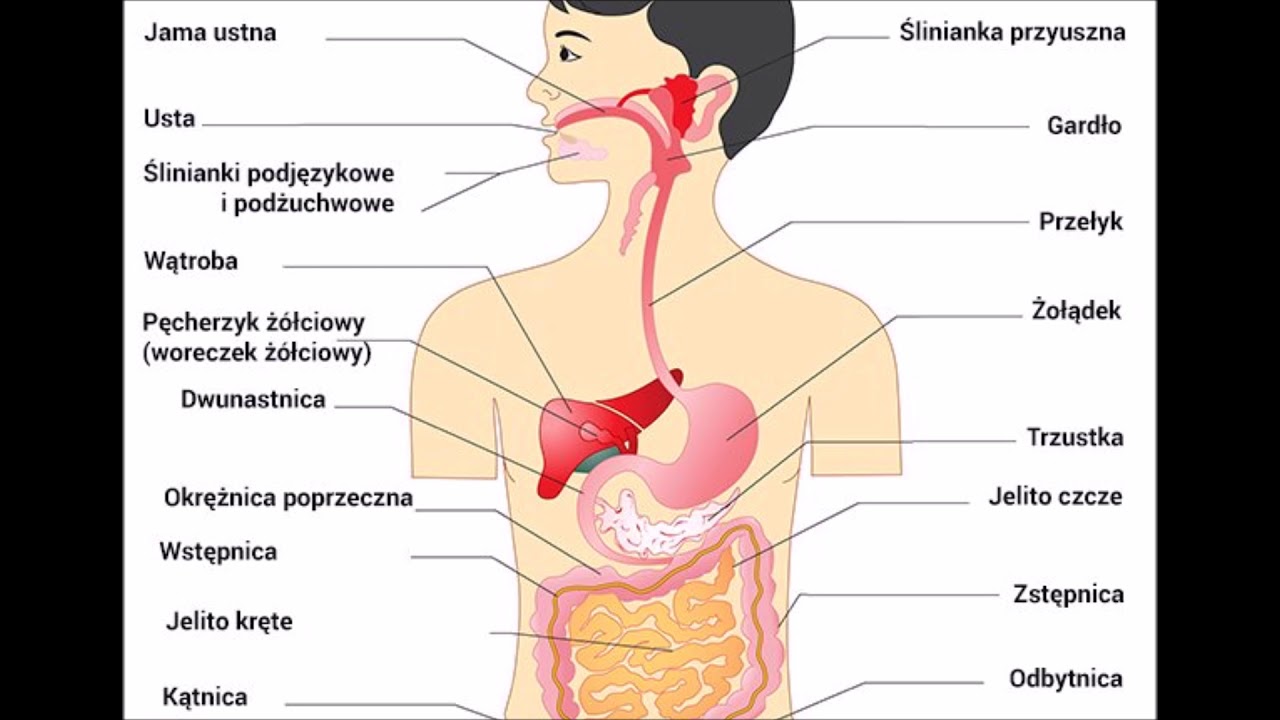
Sprawdzian z Biologii Układ Pokarmowy Klasa 7 (a Biology Quiz on the Digestive System for Grade 7) focuses on your understanding of how our bodies break down food and absorb nutrients. Let's break it down!
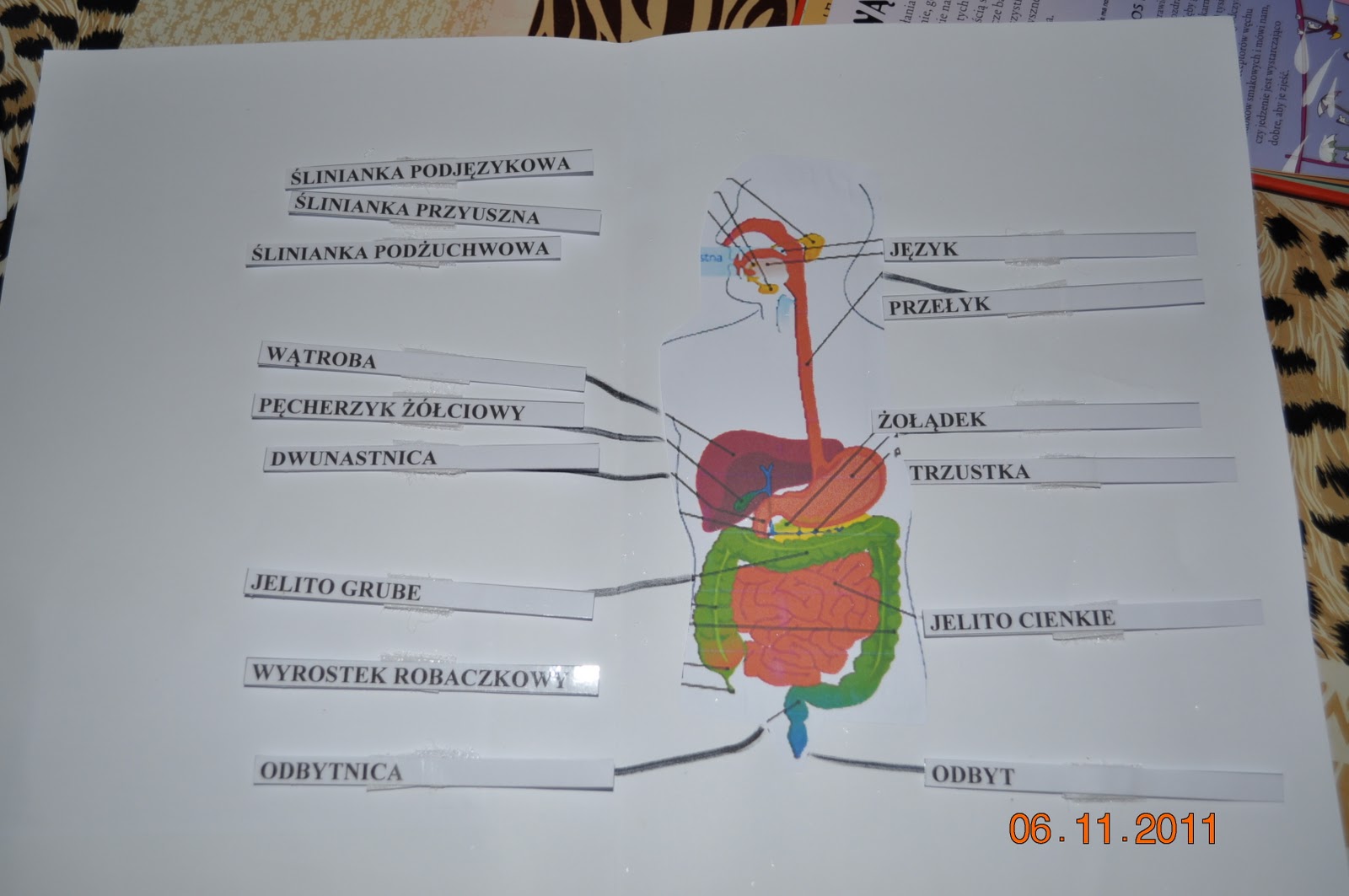
The układ pokarmowy (digestive system) is a group of organs working together to digest food. Digestion is the process of breaking down large food molecules into smaller ones that the body can absorb and use for energy, growth, and repair.
The process starts in the jama ustna (oral cavity/mouth). Here, mechanical digestion happens through chewing (rozdrabnianie pokarmu) by teeth. Chemical digestion begins with saliva, containing the enzyme amylaza ślinowa (salivary amylase) which breaks down starch (skrobia) into simpler sugars.
Next, food travels down the przełyk (esophagus) to the żołądek (stomach). The stomach is a muscular organ that churns food and mixes it with gastric juice. Gastric juice contains kwas solny (hydrochloric acid) which kills bacteria and helps activate pepsyna (pepsin), an enzyme that breaks down proteins.
From the stomach, partially digested food enters the jelito cienkie (small intestine). This is where most nutrient absorption takes place. The small intestine receives digestive juices from the wątroba (liver) in the form of żółć (bile), which emulsifies fats, and from the trzustka (pancreas) which secretes enzymes that digest carbohydrates, proteins, and fats.
Finally, undigested material moves to the jelito grube (large intestine). Here, water is absorbed, and waste products are compacted into feces.
Key organs to understand include: mouth, esophagus, stomach, small intestine, large intestine, liver, and pancreas. Know the function of each organ and the enzymes involved in breaking down carbohydrates, proteins, and fats. Good luck with your sprawdzian!