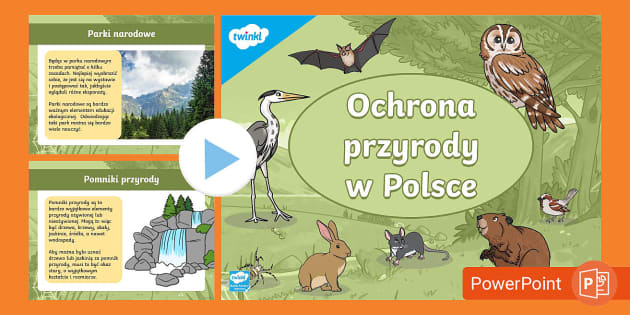
Ochrona Przyrody Sprawdzian Odpowiedzi Nowa Era

Ochrona Przyrody, broadly translated as "Nature Conservation", is a crucial field focused on protecting and managing the Earth's biodiversity, ecosystems, and natural resources. It involves a range of activities from preserving endangered species to establishing protected areas and promoting sustainable resource use. When it comes to "Sprawdzian Odpowiedzi Nowa Era" (New Era Quiz Answers) regarding Ochrona Przyrody, the focus shifts to testing knowledge and understanding of these concepts, typically within an educational context. Let's break down how to approach these types of assessments.
The core applications of Ochrona Przyrody are varied and vital:
- Preserving Biodiversity: Protecting the variety of life on Earth, from genes to ecosystems.
- Sustainable Resource Management: Using resources in a way that meets current needs without compromising future generations.
- Habitat Restoration: Reversing damage to ecosystems and restoring them to a healthy state.
- Pollution Control: Minimizing the harmful effects of pollution on the environment.
- Environmental Education: Raising awareness and promoting responsible environmental behavior.
How to Approach Ochrona Przyrody Sprawdzian Odpowiedzi
Effectively tackling a "Sprawdzian Odpowiedzi Nowa Era" (or any other quiz) on Ochrona Przyrody requires a systematic approach. Here's a phased walkthrough designed to help you understand and answer questions correctly:
Phase 1: Understanding Key Concepts
Before attempting any questions, make sure you have a solid grasp of the fundamental principles. This involves understanding the meaning of key terms and the relationships between different environmental concepts. For example:
- Ekosystem: A community of interacting organisms and their physical environment.
- Biodiversytet: The variety of life in a particular habitat or ecosystem.
- Zanieczyszczenie: The presence of harmful substances in the environment.
- Odnawialne źródła energii: Energy sources that are naturally replenished, such as solar, wind, and hydro power.
- Gatunki zagrożone: Species at risk of extinction.
Example: A question might ask: "What is biodiversity and why is it important?" The correct answer would define biodiversity as the variety of life and explain its importance in maintaining ecosystem stability, providing essential resources, and supporting human well-being.
Phase 2: Identifying Question Types
Different questions require different approaches. Common question types include:
- Multiple Choice: Select the best answer from a list of options.
- True/False: Determine whether a statement is correct or incorrect.
- Short Answer: Provide a brief explanation or definition.
- Essay: Write a more detailed response, demonstrating a comprehensive understanding of the topic.
- Matching: Connect related terms or concepts.
Example: Multiple Choice - "Which of the following is NOT a renewable energy source? a) Solar b) Wind c) Coal d) Hydro". The answer is c) Coal.
Phase 3: Applying Knowledge to Specific Scenarios
Many questions will present a scenario or case study and ask you to apply your knowledge to solve a problem or make a recommendation. These questions require critical thinking and the ability to connect different concepts.
Example: "A new highway is planned through a forested area. What are some potential negative impacts on the local ecosystem, and what mitigation measures could be implemented?"
Possible Answer Elements:
- Habitat Loss: The highway will fragment the forest, reducing habitat for wildlife.
- Increased Pollution: Vehicle emissions will pollute the air and water.
- Disturbance to Wildlife: Noise and human activity will disrupt animal behavior.
- Mitigation Measures: Construct wildlife crossings, replant native vegetation, implement noise barriers, and enforce pollution control regulations.
Phase 4: Reviewing and Analyzing Answers
After answering the questions, take the time to review your work. Check for any errors or omissions. If possible, try to explain your answers to yourself or to someone else. This will help you solidify your understanding of the material and identify any areas where you need further review. Focus on the "why" behind the answers.
Example: If a question asks about the impact of deforestation, don't just state that it leads to soil erosion. Explain why deforestation causes soil erosion (loss of tree roots to hold the soil in place, increased exposure to wind and rain).
Phase 5: Specific Topics Often Covered in "Ochrona Przyrody" Quizzes
Be prepared to see questions related to the following:
- National Parks and Protected Areas in Poland: Names, locations, and key features.
- Endangered Species in Poland: Their habitats, threats, and conservation efforts.
- Waste Management and Recycling: Different types of waste, recycling processes, and waste reduction strategies.
- Air and Water Pollution: Sources, effects, and control measures.
- Climate Change: Causes, impacts, and mitigation strategies.
- Sustainable Agriculture: Practices that minimize environmental impact.
Example: "Describe two threats facing the Białowieża Forest and explain how these threats are being addressed." This requires knowledge of specific challenges and conservation initiatives related to that important natural area.
By following this structured approach and focusing on understanding the underlying concepts, you can significantly improve your performance on "Ochrona Przyrody Sprawdzian Odpowiedzi Nowa Era" and develop a deeper appreciation for the importance of nature conservation. Remember to study your textbook and notes carefully, and seek clarification on any topics you find confusing. Good luck!


![Ochrona Przyrody Sprawdzian Odpowiedzi Nowa Era Formy ochrony przyrody #2 [ Ochrona przyrody ] - YouTube](https://i.ytimg.com/vi/jSqRUTVjCmw/maxresdefault.jpg)